
30 July 2026
Why Do Fungal Infections Keep Coming Back?
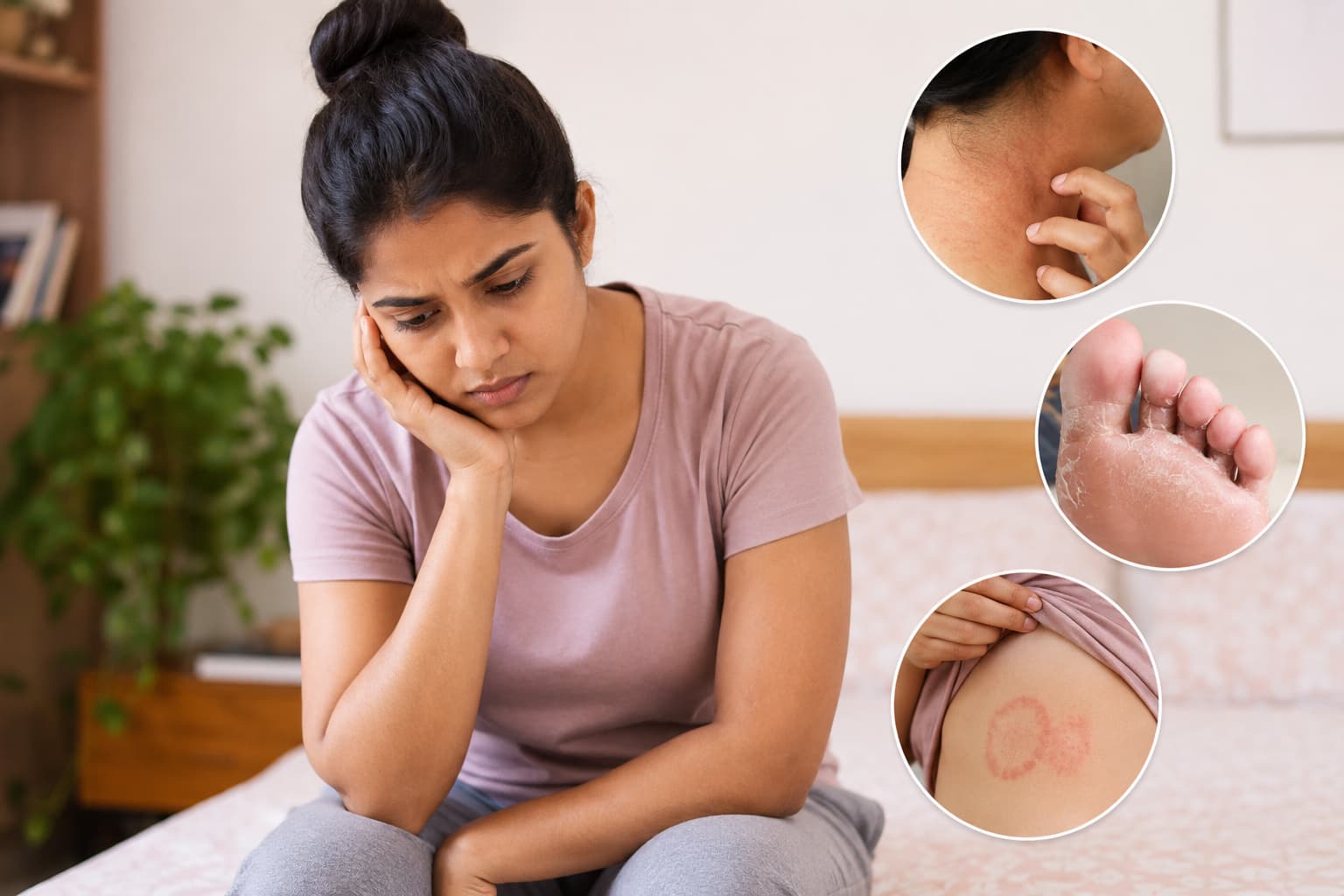
You complete a course of treatment, the itching improves, and the rash disappears, only for it to return a few weeks later.
If this sounds familiar, you’re not alone. Recurrent fungal infections are a common problem, especially in warm and humid climates.
The good news is that, in many cases, recurrence can be prevented by identifying and addressing the underlying cause.
1. Stopping Treatment Too Early
One of the most common reasons fungal infections return is stopping treatment as soon as the itching or rash improves.
Although the skin may look normal, the fungus may still be present.
Always complete the full course of treatment prescribed by your dermatologist to reduce the risk of recurrence.
2. Using Steroid Combination Creams
Many over-the-counter creams contain a combination of:
- Steroids
- Antifungals
- Antibiotics
These creams may temporarily reduce redness and itching, making it seem like the infection has improved.
However, the steroid suppresses the body’s immune response, allowing the fungus to persist and spread. This can lead to steroid-modified fungal infections (tinea incognito), which are often more extensive and difficult to treat.
3. Not Keeping the Skin Dry
Fungi thrive in warm, moist environments.
Areas commonly affected include:
- Groin
- Underarms
- Under the breasts
- Between the toes
After bathing or sweating, dry these areas thoroughly before getting dressed.
4. Wearing Tight or Damp Clothing
Sweaty, tight-fitting clothes create the perfect environment for fungal growth.
Choose:
Loose, breathable cotton clothing
Clean, dry socks and undergarments
Fresh clothes after exercise or excessive sweating
5. Sharing Personal Items
Fungal infections can spread through:
- Towels
- Clothing
- Combs
- Footwear
Avoid sharing personal items, especially if someone at home has a fungal infection.
6. Not Treating the Source
Sometimes the infection doesn’t come back, it was never completely eliminated.
In some cases:
- Another family member may also be infected.
- A fungal infection on the feet can repeatedly spread to the groin through clothing or towels.
Treating all affected areas and following your dermatologist’s advice is important to prevent reinfection.
7. Underlying Health Conditions
People with conditions such as:
- Diabetes
- Reduced immunity
- Excessive sweating
may be more prone to recurrent fungal infections.
If infections keep returning despite appropriate treatment, your dermatologist may look for underlying contributing factors.
How Can You Prevent Fungal Infections from Returning?
Complete the prescribed treatment, even if the rash improves early.
Avoid steroid-containing creams unless specifically prescribed.
Keep your skin clean and dry.
Wear loose, breathable clothing.
Change out of sweaty clothes promptly.
Avoid sharing towels, clothing, or footwear.
Wash towels, socks, and undergarments regularly and allow them to dry completely before reuse.
The Bottom Line
Recurrent fungal infections are often not due to “weak skin”—they’re usually caused by incomplete treatment, improper medications, persistent moisture, or reinfection.
With the right treatment and a few preventive measures, most fungal infections can be treated effectively and the chances of recurrence can be significantly reduced.
Don’t just treat the symptoms, treat the cause. Completing treatment and adopting good hygiene habits are the keys to keeping fungal infections from coming back.
Leave a comment
Share your thoughts
Your email address will not be published. Required fields are marked.