
31 August 2026
Got a Tattoo You No Longer Want? Here's What You Need to Know About Tattoo Removal
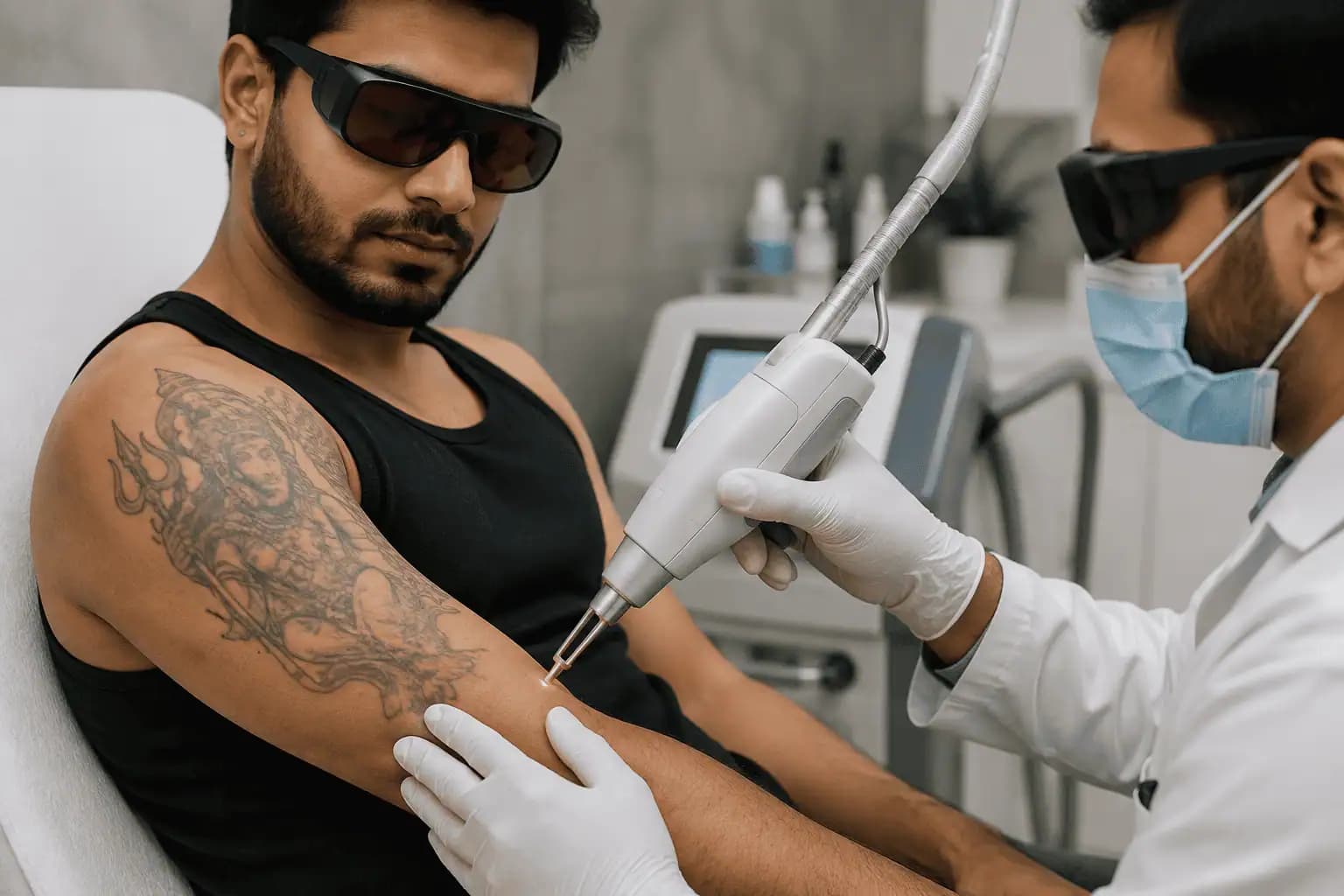
Maybe you loved your tattoo when you got it, but your preferences have changed. Or perhaps it’s an old tattoo that has faded, a poorly done tattoo, or simply something you no longer want on your skin.
The good news is that modern laser tattoo removal can significantly fade, and in many cases almost completely remove, unwanted tattoos.
But tattoo removal is a process and knowing what to expect is important.
How Does Laser Tattoo Removal Work?
Laser tattoo removal works by delivering highly concentrated pulses of light into the tattoo.
The laser targets the tattoo pigment and breaks the ink into much smaller particles. Your body’s natural immune system then gradually clears these particles over time.
Because this process takes time, tattoo removal cannot be completed in a single session.
Can Every Tattoo Be Completely Removed?
Not necessarily.
The results depend on several factors, including:
- Ink colour
- Tattoo size
- Depth of the ink
- Age of the tattoo
- Location on the body
- Type of tattoo
- Individual skin characteristics
Black and darker pigments generally respond well to laser treatment, while some colours can be more challenging and may require additional sessions.
How Many Sessions Will You Need?
There is no fixed number of sessions that works for everyone.
Multiple sessions are usually required, with several weeks between treatments to allow the skin to heal and the body to clear the fragmented pigment.
Some tattoos may fade significantly within a few sessions, while others require considerably more treatment.
Patience is an important part of tattoo removal.
What Happens After a Tattoo Removal Session?
It is normal for the treated area to look temporarily different after the procedure.
You may experience:
- Redness
- Swelling
- Mild discomfort
- Crusting
- Small blisters
Are Blisters Normal?
Yes. Small blisters can occur after laser tattoo removal and are not necessarily a complication.
They may develop during the first few days as a result of the controlled effect of the laser on the treated skin.
If blisters occur:
Do not pop them.
Do not peel the skin or crusts.
Follow the aftercare instructions given by your dermatologist.
Keep the area clean and protected while it heals.
Blistering should gradually settle as the skin heals. However, increasing pain, spreading redness, pus, fever, or significant worsening of the treated area should be evaluated by a dermatologist.
Will Tattoo Removal Leave a Scar?
When performed appropriately with a suitable laser and settings, tattoo removal aims to minimise the risk of scarring.
However, every person’s skin responds differently, and the risk can also depend on the original tattoo, previous treatments, skin type, and healing response.
Following aftercare instructions carefully is important for reducing complications.
Does Tattoo Removal Hurt?
There can be some discomfort during treatment. Many people describe the sensation as similar to small rubber-band snaps against the skin.
Depending on the tattoo and the individual, appropriate methods may be used to make the procedure more comfortable.
What About Tattoo Cover-Ups?
If you don’t necessarily want the tattoo completely removed but want to change its appearance, partial fading can sometimes make it easier for a tattoo artist to create a cover-up.
Your treatment goal should therefore be discussed before starting laser sessions.
The Bottom Line
Tattoo removal is no longer the impossible task it once was, but it isn’t an instant process either.
Modern laser technology can significantly fade many tattoos, but the number of sessions and final result depend on the individual tattoo and your skin.
Leave a comment
Share your thoughts
Your email address will not be published. Required fields are marked.