
16 July 2026
DIY Hair Care: What Actually Works (And What's Just a Myth?)
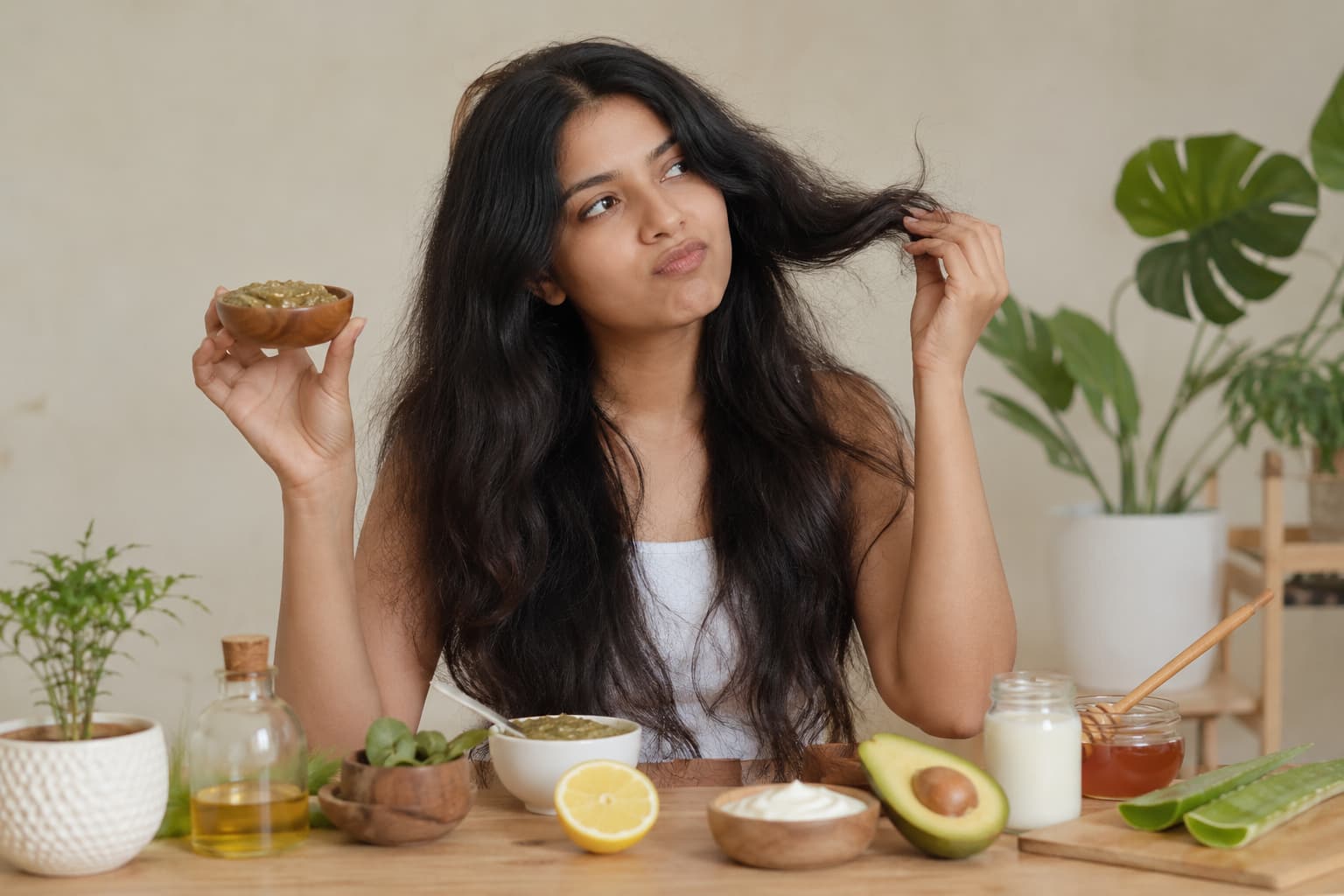
Social media is filled with DIY hair masks and home remedies claiming to stop hair fall and promote hair growth. While some natural ingredients can support healthy hair, others have little scientific evidence, or may even do more harm than good.
Let’s separate fact from fiction.
DIY Remedies That Can Actually Help
1. Amla (Indian Gooseberry)
Amla is rich in vitamin C and antioxidants, making it a nutritious addition to your diet.
While eating amla won’t magically stop hair fall, it can support overall hair health as part of a balanced diet.
Best way to use it: Eat fresh amla, drink unsweetened amla juice, or include it in your meals.
2. Curd (Yogurt) Hair Mask
Curd acts as a natural conditioner and can temporarily improve the appearance of dry, frizzy hair.
It may:
- Add softness
- Reduce frizz
- Improve manageability
However, it does not stimulate hair growth or prevent hair fall.
3. Coconut Oil
Coconut oil is one of the few oils that has been shown to reduce protein loss from the hair shaft.
Regular oiling may:
- Reduce breakage
- Improve shine
- Protect the hair shaft
Remember, oil nourishes the hair shaft, not the hair follicle. It doesn’t treat hair fall caused by hormonal or nutritional factors.
4. Eggs
Eggs are rich in protein and can temporarily make hair feel smoother and shinier.
But applying eggs to your hair doesn’t replace eating enough protein. Healthy hair starts with adequate nutrition from within.
The Most Important DIY Remedy: Your Diet
No hair mask can compensate for a poor diet.
For healthy hair, include foods rich in:
- Protein (paneer, eggs, lentils, soy, fish, chicken)
- Iron (spinach, legumes, dates)
- Vitamin C (amla, citrus fruits, guava)
- Healthy fats (nuts and seeds)
Hair follicles are among the most metabolically active cells in the body and need consistent nutrition to produce healthy hair.
DIY Remedies That Don't Live Up to the Hype
1. Onion Juice
Although some small studies suggest it may help certain types of patchy hair loss (alopecia areata), there is no strong evidence that onion juice treats common hair fall or androgenetic hair loss.
It can also cause:
- Scalp irritation
- Burning
- Unpleasant odour
2. Garlic Paste
Applying raw garlic directly to the scalp can cause chemical burns and severe irritation. It should be avoided.
3. Lemon Juice on the Scalp
While lemon is often recommended for dandruff, using it directly can irritate the scalp and worsen dryness in some people.
When DIY Isn't Enough
If you’re experiencing:
- Hair fall lasting more than 2–3 months
- Noticeable thinning
- A widening parting
- Patchy hair loss
- Severe Hairfall
Home remedies alone are unlikely to solve the problem.
A dermatologist can help identify whether the cause is nutritional, hormonal, genetic, or related to a scalp condition.
Final Takeaway
Some DIY remedies can improve hair quality, while others are simply myths.
The biggest difference comes from:
A protein-rich, balanced diet
Good scalp hygiene
Gentle hair care practices
Treating the underlying cause of hair fall
Remember: Healthy hair starts from within. Home remedies can support your hair, but they cannot replace proper nutrition or medical treatment when it’s needed.
Leave a comment
Share your thoughts
Your email address will not be published. Required fields are marked.